As part of our commitment to creating a community where everyone feels respected and included, we’re marking Eid al‑Adha, one of the most significant festivals in Islam.
Our Chaplaincy service plays a vital role in supporting young people living in our supported accommodation. Through shared meals, open conversations and time together, chaplaincy helps create spaces where young people can feel heard, build confidence and form meaningful connections.
Recognising moments like Eid al‑Adha is part of this. It reflects our values and helps us do what’s right by acknowledging different faiths and lived experiences, work with heart by showing care and respect, and build real connection through understanding and shared learning. It is also part of our ongoing journey to strengthen equality, diversity and inclusion – and to challenge discrimination in all its forms, including racism and Islamophobia.
Here, Elly McKay‑Smith, our Chaplain for East Sussex and Guildford, shares a reflection on the meaning of Eid al‑Adha.
Eid al‑Adha
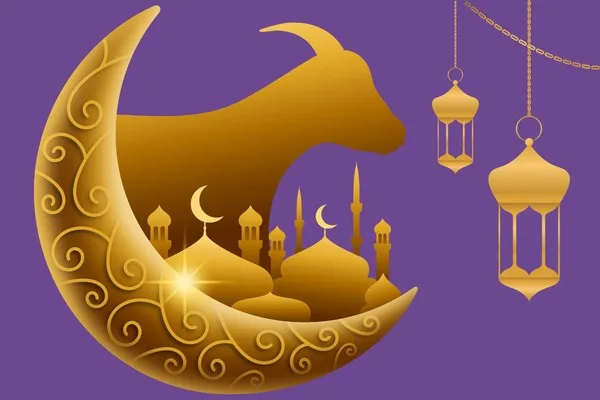
Eid al‑Adha—often called “Big Eid” or “the Greater Eid” – is an Islamic festival that honours Ibrahim’s (Abraham’s) devotion and obedience to Allah. It commemorates Ibrahim’s willingness to sacrifice his son Ismail (Ishmael) in response to God’s command. Before the sacrifice took place, however, Allah provided a ram to be offered in Ismail’s place. In Arabic, “Eid al‑Adha” translates to “Festival of Sacrifice.”
This story also appears in the Old Testament and is recognised in Jewish and Christian traditions. It is one reason Islam, Judaism, and Christianity are often described as the Abrahamic faiths.
The date of Eid al‑Adha is determined by the Islamic lunar calendar, so it varies each year. Eid al‑Adha falls on the 10th day of Dhu al‑Hijjah – the last month of the Islamic calendar – and lasts for four days. Hajj is one of the Five Pillars of Islam, making it a mandatory religious duty for all adult Muslims considered physically and financially able to perform the pilgrimage. The journey must be made by all worshippers at least once in their lifetime.
When is Eid al‑Adha?
It can be difficult to know exactly when Eid will be, as the dates shift about 11 days earlier each year in the international (Gregorian) calendar. In 2026, the approximate start of Eid al‑Adha will be between sundown on Tuesday 26 May and sundown on Saturday 30 May, continuing for several days.
How is Eid al‑Adha celebrated?
Eid al‑Adha observances and celebrations include attending prayers at the mosque, usually taking place in the morning after sunrise and before the midday (Zuhr) prayer.
Another important part of Eid al‑Adha is food. As a way of commemorating Ibrahim’s willingness to sacrifice Ismail, families may arrange for the sacrifice of a ritually acceptable animal, such as a cow, goat, sheep, or camel. The family consumes a portion of the meat and shares the rest with the poor and those in need, reflecting another key principle of Islam – zakat, or charitable giving.
Similar to Eid al‑Fitr, Eid al‑Adha is a time when Muslims wear new or special clothes, exchange gifts, and enjoy meals with family and friends. People greet one another with “Eid Mubarak,” meaning “Blessed Eid,” or “Eid al‑Adha Mubarak,” wishing one another peace, wellbeing and good fortune.
Supporting young people, together
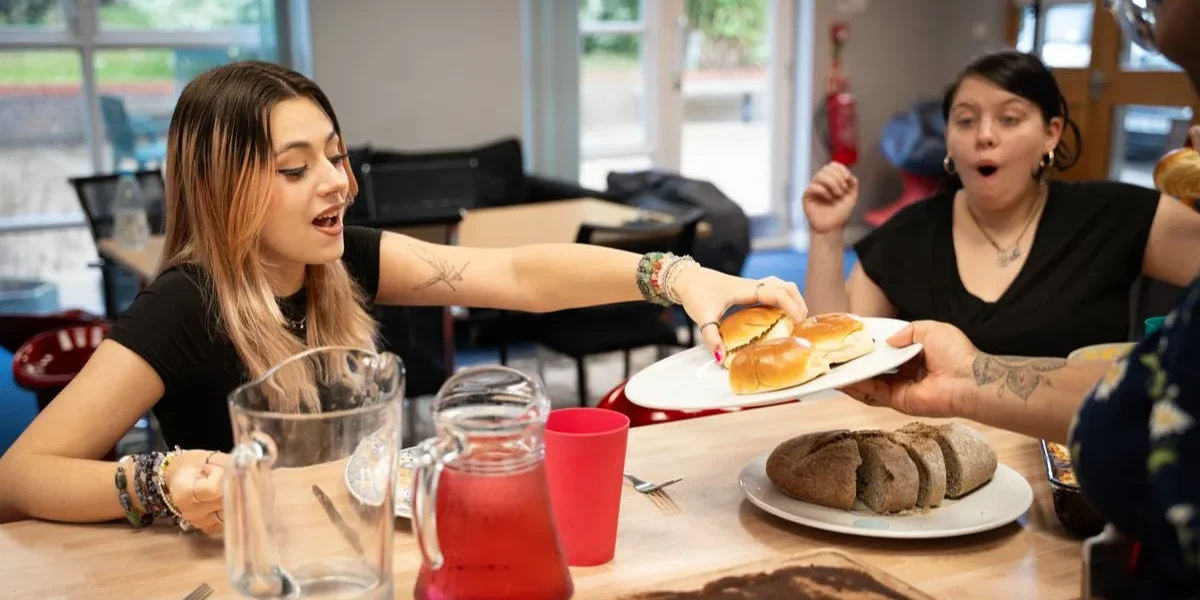
Chaplaincy is one of the ways we create a sense of belonging within our supported accommodation. Rooted in hospitality, chaplaincy sessions often centre around shared meals, bringing young people together to talk, reflect and simply enjoy being part of a community.
Our chaplains offer non‑judgemental support for young people and staff of all faiths and none, including those who are exploring belief, identity or spirituality. Alongside group sessions, they provide informal one‑to‑one support, whether that’s a walk, a conversation over a cuppa, or being present during times of crisis or loss.
This work is strengthened by a dedicated team of volunteer chaplains, whose commitment and compassion make a real difference in the lives of the young people we support.
By recognising faith festivals like Eid and creating space for conversation and understanding, we continue to take practical steps toward building a culture where everyone feels they belong.
Eid Mubarak to everyone who is celebrating.